Just a heads up: This post includes mentions of sexual assault and descriptions of manipulative relationships.
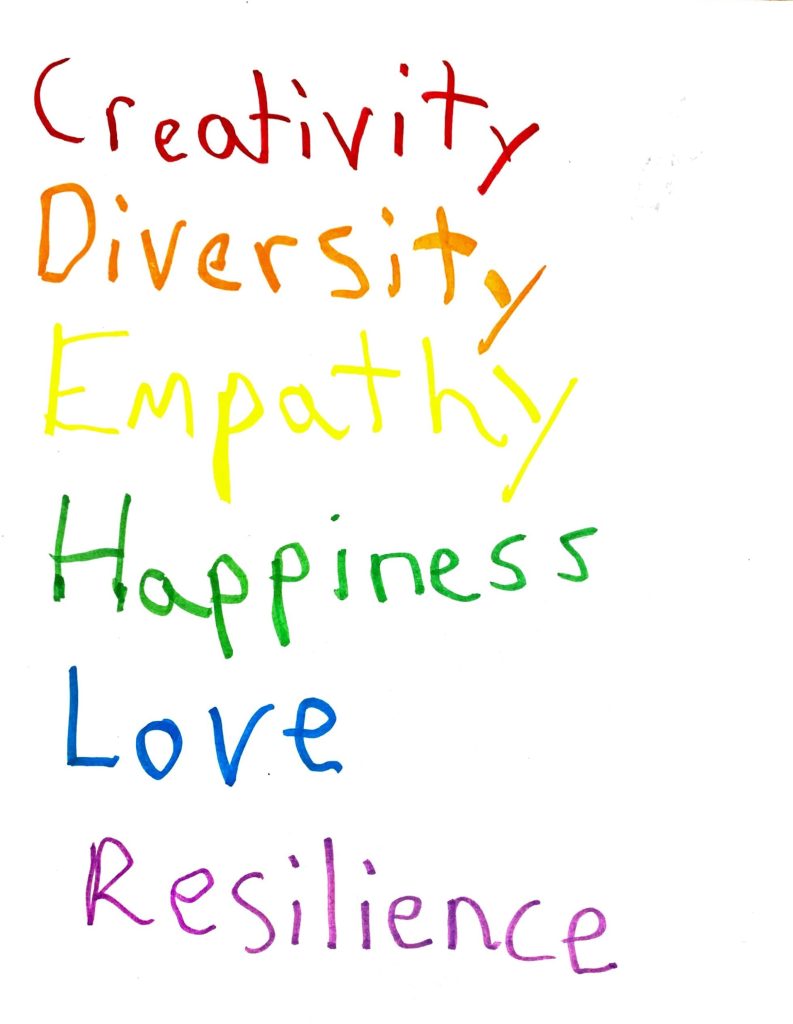
In the Spring of 2018, I sat down with an assistant dean of students — Oberlin College’s version of a guidance counselor — with a list of several dozen possible core values and narrowed it down to my top five: diversity, resilience, creativity, happiness, and love. It was a practice, she said, often used to help survivors of trauma regain a sense of self.
Earlier that school year, my favorite creative writing professor, Bernard Matambo, had been forced to resign after it became clear that he had sexual relations with at least one, if not multiple, students. Fortunately, I was not one of them. However, this did not mitigate the fact that Matambo manipulated all of his students, even the ones he didn’t have sex with.
As my academic advisor during my senior year, it was his duty to send me a code that allowed me to register for classes. He didn’t. The day of registration, I tracked him down until I found him meeting with another student outside the creative writing building. This was such a common problem among his advisees that we formed a Facebook group chat to trace his physical location during registration time. Yet, the effort was worth it. All of our interactions were incredibly rewarding. He made me feel like the most promising young writer on the planet. I told him more about my mental health than I had ever told anyone. He validated all of it. He didn’t have a single psychology degree and yet was the best therapist I’ve ever had. This cycle of deprivation and satisfaction left me standing in my kitchen, mere weeks before his resignation, saying to my roommate, “I think he’s taking advantage of me.” Hence, I found myself three months later crossing off values from a list until what remained resonated with me.
I tell this story not because I think a predatory professor is going to invade your community but because centering your community around a list of values is a practical, disaster-prevention tool. My core values function as decision guideposts when trauma rears its ugly head. Rather than making decisions driven by fear, I center my choices around diversity, resilience, creativity, happiness, and love. Furthermore, it’s important to remember that people as toxic as Matambo are rare, but individual instances of exploitation are common. You are less likely to fall prey to manipulation (or accidentally become a manipulator) if you make decisions guided by values.
Below I’ve listed a few values that Mylo and I came up with when discussing the fundamental ethical principles behind activism-based communities, but you should sit down with your community and create your own list.
- Accessibility: Keep physical and financial barriers low. A community that isn’t built for everyone isn’t built for anyone.
- Dialogue: Differences and disagreements are the product of diversity. Healthy discourse is vital to activism.
- Interdependence: Communities that depend on each other thrive. No human is truly independent. Emphasizing independence leads to competition.
- Compassion: People break things. People are broken. Compassion is the first step on the road to recovery.
- Diversity: We can’t build a world for everyone if anyone is excluded from the conversation.
In your quest to build activism-based communities, you will have to make difficult choices, sometimes under stressful circumstances. Centering your values doesn’t mean making the ethical choice will be easy, but it will be possible.
 elwilson